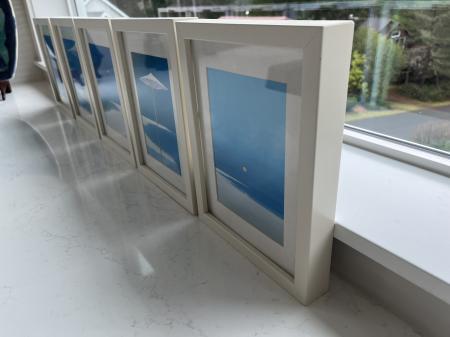
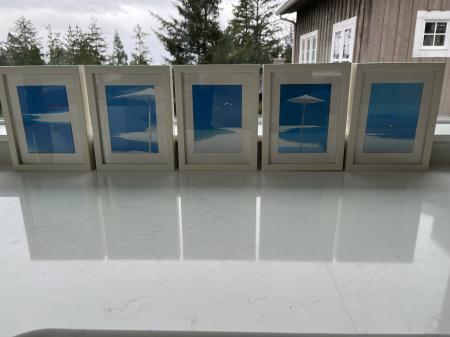
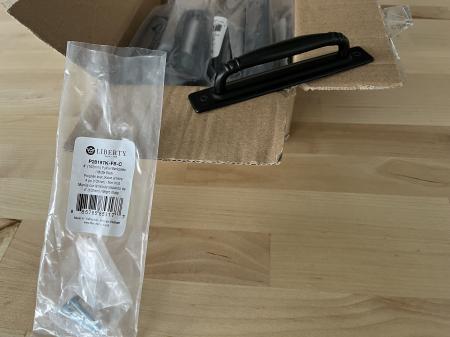
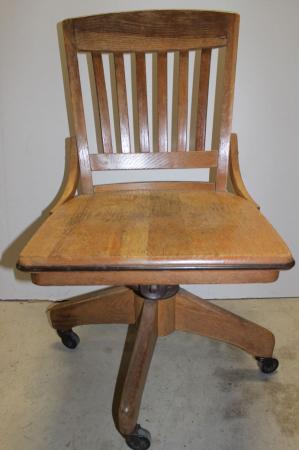
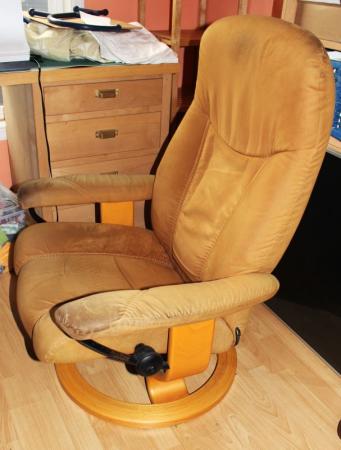
. Comfortable budget of $1500 could go up to $1900.
MUST stay wintin NKN school district
[Bay City-Manzanita]
MUST stay wintin NKN school district
[Bay City-Manzanita]
Just a reminder that the Annual Lee Blackmon Community Soccer Scrimmage and Picnic Planning Meeting is tomorrow, Sunday Sept 8th, 4 PM at Rising Hearts Studio.
Help us plan this free, fun event to commemorate Lee and his commitment and dedication to our local youth.
Want to help, but can’t make it tomorrow? Please reach out
Contact Christy for questions etc 503-800-1092, Christy@cosmichealingnw.com
Rising Hearts Studio
35840 7th St
Hwy 101, downtown Nehalem


Here is an update on the project and what to expect in the next few days. Thanks.


mRNA info starts at 01:12:00
https://www.youtube.com/watch?v=iOQdjgdRcfA
Also for medical/science types, Wall Street has big plans for Ozempic, says surgeon whistle-blower:
https://www.youtube.com/watch?v=mUH4Co2wE-I

The data is available, so I compared a sample monthly bill for 4000 gallons in the 4 neighboring systems. In Manzanita, the bill would include the base rate and two additional 1000 gallon charges from Tier 1 pricing. In Nehalem, it is one additional charge above base; in Wheeler it is part of the base rate, and in Neakahnie, it is the base rate plus the mandatory debt charge.
The results of the comparison? You might be surprised! Manzanita, the lowest, is $67 (for a resident), Nehalem is $68 (for a resident), Wheeler is $73, and Neahkahie is $126. Feel free to do your own calculations, and also check out: City Water Usage presentation and Manzanita Today June 2024.
Wilson will open the library’s Northwest Authors Series season with a presentation at 2 p.m. in the library, 131 N. Hemlock St. This is a free, hybrid event; attend in person at the library or watch online via the library’s website, cannonbeachlibrary.org.
The 2024 Oregon Book Award winner for graphic literature, “The Faint of Heart,” is about June, a teenager who lives in a world where humans remove their hearts to avoid feeling pain. June is the only person left with a heart. When she finds a heart in a jar abandoned in an alley, June hopes to return her sister to normal with it and begins an unexpected adventure with a heartless boy who is somehow beginning to feel again.
Although she lives in Oregon City, her mind tends to wander to made-up places in her head. Those places might be filled with flying jellyfish and birds that eat the stars. She says she has a “love of the weird and wonderful.”

The upcoming event entitled “DEEP DIVE: STORIES OF FORESTS & WATER” features two modes of storytelling: a reading by writer, artist, and activist Roger Dorband, and a screening of documentary filmmaker Jesse Clark’s “LIVING LEGACIES.”
About the Presenters
Roger Dorband’s forest activism began several years ago after discovering new and massive clearcuts along Highway 26, where once was an intact forest. Sickened, he channeled his shock into action: Dorband began studying Oregon forest management and various aspects of forest silviculture. His research and passion connected him with others with similar interests and goals.
Dorband spent half a decade as co-lead to the Forest Interest Group in Astoria, which successfully convinced Clatsop County Commissioners not to sign onto the billion dollar Linn County timber lawsuit. When the group dissolved, Dorband and two other activists formed the Forest Vision Project. The Forest Vision Project brought a number of excellent speakers to Astoria to give talks at Clatsop Community College and mounted a major art exhibition in the gallery featuring artists working with the theme of forests. Currently, Dorband is a steering committee member of the recently formed Astoria chapter of North Coast Communities for Watershed Protection, and continues to produce a prolific number of articles related to forestry for Hipfish Monthly, as well as numerous letters in the Daily Astorian.
Jesse Clark is an Emmy award-winning filmmaker and cinematographer focused on our complex place in the natural world. His directorial debut with Shane Anderson titled CHEHALIS: A WATERSHED MOMENT played on PBS in over 20 states and national streaming. Clark most recently worked as cinematographer and feature editor on the Emmy-nominated COVENANT OF THE SALMON PEOPLE, helping to tell the story of the Nez Perce tribe’s ongoing fight to preserve their lifeways and sacred salmon.
He is now focused on a new series he is writing and directing, entitled FOREST STORIES, an short film series with each episode focused on a particular issue within Pacific Northwest forestry. At the KALA Event, we will see the first episode of the series, entitled LIVING LEGACIES.
Synopsis for LIVING LEGACIES (23mins, documentary short):
A movement is born when one community’s drinking water source is threatened – and Washington State must weigh economic gain against the protection of their last tracts of
carbon-sequestering mature forests.
North Coast Communities for Watershed Protection is a grassroots group that advocates for the protection of drinking water on the Oregon Coast. The non-profit aims to end to logging and pesticide spray within and surrounding forested drinking watersheds in the State, regardless of land ownership.
We are dealing with the ramifications of industrial clearcutting and pesticide application. This not only destroys our maturing and old-growth forests, but also harms our climate, pollutes our air and drinking water, and directly impacts our health. It is NCCWP’s hope that this storytelling event will highlight the important relationship between our forested ecosystem and our access to clean and abundant drinking water on the Oregon Coast.
To learn more about NCCWP, please visit healthywatershed.org.
Here is the LINK TO RSVP for the NCCWP’s DEEP DIVE: STORIES OF FORESTS &
WATER Event!: forms.gle/LzCrjGJNsNqaxHPy8
We look forward to seeing you on Monday, September 16 at 6:00 p.m, at KALA Hipfish.

$100 or best offer.
Located in Mohler near Hwy 53 and Miami-Foley.


Are you planning on voting in the Presidential election? If you know for whom you are going to vote we are interested in understanding why you chose that candidate.
And we wonder if you would be willing to share that info on the BBQ by answering the following question:
What do you like about your candidate?
Those willing to answer that question must follow a couple of rules we, as administrators of the BBQ, created to have their thoughts posted on the BBQ.
Those rules are:
Describe what you like about your candidate—values, priorities, attitude towards issues, etc.
DO NOT respond with ANY language about the other candidate. Post must ONLY be about the candidate of your choice.
Title must be “What I like about (name of candidate)
Must use General Interest category
Must respond before 5pm on Sept 20th
ALL posts that follow these rules will be posted on the BBQ website.
ANY post that does not follow these rules will not be posted.
Thanks,
Barbara and Chuck
BBQ Administrators


I had two people schedule to come purchase the system but they were both a no show. I’m just asking 30$ since it’s a good system but I don’t buy in bulk anymore, pick massive amounts of berries and also don’t dehydrate anymore. In top of the fact my little kitchen has no shelf space.
Its in cannon beach on the north end.


Our doors will be open from 10 to 4 Friday and Saturday.
We are located at 739 South Hemlock St. in Cannon Beach. We would appreciate it if you don’t arrive early.
See you tomorrow!


posting on behalf of Kim Rosenberg loretta.kim.rosenberg@gmail.com
It seems that some folks have been promised that the water referendum on this November’s ballot will return us to quarterly billing and the old water allotment. This information isn’t true but it’s consistent with the narrative and general mistrust of city government that some folks feel regardless of who’s on council.
First off, the only thing we’ll be voting on is monthly versus quarterly billing. That’s it. We’ll know what the rates will be when the new water study is complete.
In a June 30, 2024, post on the Pioneer’s website the referendum’s author, Randy Kugler, suggests that the base residential charge be capped at $142.68 per quarter reflecting the current monthly rate and that the water allotment per quarter be 12,000 gallons of water irrespective of use. That’s not on the ballot and it’s not what we’re voting on no matter what you’ve heard.
When we switched from quarterly to monthly billing, the base water allotment changed from 4,000 to 2,000 gallons per month. In the post Kugler writes, “The result is large numbers of full time resident households now paying monthly surcharges for exceeding, 2000 gallons.”
The data from the August Council meeting shows that an overwhelming majority of water users—about 75% of us—use 2,000 gallons monthly except during the summer months. A tiered rate schedule was adopted so, if you use more, you pay more. In our house we’ve used about 3,000 gallons of water monthly during the summer. We’re a full time 2 person one puppy family, we garden, we have bird baths and I like to do laundry. So, in our house we’re paying a little more.
But why should a full time resident expect to pay less for water? Does a full time resident get a better deal on electricity? Does a full time resident get a better deal from Recology? Does a full time resident pay less for any utility or service?
We pay for what we use and if we want to pay less, we can choose to use less. We can conserve.
You know who uses a lot of water? Second homes used as short term rentals. They’d be the ones to benefit from a 12,000 gallon water allotment.
In addition to water that guests use while visiting for bathing, dishwashing, cooking and toilet flushing—every time there’s a check out, sheets and towels, bathmats, kitchen towels, sometimes bedspreads and mattress covers are washed. Some vacation houses are booked almost every night in the summer and early fall. That’s a whole lot more water use than what full time folks use, and it makes sense that everyone pays their fair share of what the water actually costs. We all should.
The tiered rate system charges according to use and billing monthly allows consumers to keep track of their use and pay accordingly.
Why would we give such a large water allotment and charge the same rate to folks using less? It doesn’t make sense to me.
If the TLT money is used to pay for a shortfall in water rates, as was suggested in recent posts, the General Fund will be shorted instead. I think you call it robbing Peter to pay Paul.
I plan to tune in and watch the Council Work Session on September 11 when they’ll be discussing the new water study. I hope you do too!
Here’s a link to the water usage information.
ci.manzanita.or.us/wp-content/uploads/2024/08/WATER-USAGE-OCT23-JULY24-v2.pdf
Kim Rosenberg loretta.kim.rosenberg@gmail.com

Free ESL classes start this evening at the library – every Thursday from 6 to 7:30 all skill levels, no registration – just show up!

Friday & Saturday 10-4, 739 South Hemlock Street, Cannon Beach
No early birds please….
It seems that some folks have been promised that the water referendum on this November’s ballot will return us to quarterly billing and the old water allotment. This information isn’t true but it’s consistent with the narrative and general mistrust of city government that some folks feel regardless of who’s on council.
First off, the only thing we’ll be voting on is monthly versus quarterly billing. That’s it. We’ll know what the rates will be when the new water study is complete.
In a June 30, 2024, post on the Pioneer’s website the referendum’s author, Randy Kugler, suggests that the base residential charge be capped at $142.68 per quarter reflecting the current monthly rate and that the water allotment per quarter be 12,000 gallons of water irrespective of use. That’s not on the ballot and it’s not what we’re voting on no matter what you’ve heard.
When we switched from quarterly to monthly billing, the base water allotment changed from 4,000 to 2,000 gallons per month. In the post Kugler writes, “The result is large numbers of full time resident households now paying monthly surcharges for exceeding, 2000 gallons.”
The data from the August Council meeting shows that an overwhelming majority of water users—about 75% of us—use 2,000 gallons monthly except during the summer months. A tiered rate schedule was adopted so, if you use more, you pay more. In our house we’ve used about 3,000 gallons of water monthly during the summer. We’re a full time 2 person one puppy family, we garden, we have bird baths and I like to do laundry. So, in our house we’re paying a little more.
But why should a full time resident expect to pay less for water? Does a full time resident get a better deal on electricity? Does a full time resident get a better deal from Recology? Does a full time resident pay less for any utility or service?
We pay for what we use and if we want to pay less, we can choose to use less. We can conserve.
You know who uses a lot of water? Second homes used as short term rentals. They’d be the ones to benefit from a 12,000 gallon water allotment.
In addition to water that guests use while visiting for bathing, dishwashing, cooking and toilet flushing—every time there’s a check out, sheets and towels, bathmats, kitchen towels, sometimes bedspreads and mattress covers are washed. Some vacation houses are booked almost every night in the summer and early fall. That’s a whole lot more water use than what full time folks use, and it makes sense that everyone pays their fair share of what the water actually costs. We all should. The tiered rate system charges according to use and billing monthly allows consumers to keep track of their use and pay accordingly.
Why would we give such a large water allotment and charge the same rate to folks using less? It doesn’t make sense to me.
If the TLT money is used to pay for a shortfall in water rates, as was suggested in recent posts, the General Fund will be shorted instead. I think you call it robbing Peter to pay Paul.
I plan to tune in and watch the Council Work Session on September 11 when they’ll be discussing the new water study. I hope you do too!
Here’s a link to the water usage information.
ci.manzanita.or.us/wp-content/uploads/2024/08/WATER-USAGE-OCT23-JULY24-v2.pdf
Kim Rosenberg loretta.kim.rosenberg@gmail.com