posting on behalf of Kim Rosenberg
Usually when people complain about the 4th of July it has to do with the noise fireworks make and the distress they cause humans and their animal companions. Every year we hear about the horrible accidents and the fires that are started by fireworks and yet…
It’s fire season now and much of the West has been experiencing drought conditions for years. In 2017 a 15 year old boy threw a firework into a ravine starting the Eagle Creek fire—a fire that burned almost 50,000 acres of land destroying four homes. Historically the coast is not immune from devastating fires—the Tillamook Burn was actually a series of four catastrophic forest fires that burned 355,000 acres of old-growth rainforest between 1933 and 1951. According to the National Park Service 85% of all wildfires are caused by humans. Why add one more thing to risk a wildfire? As I write this on June 30, 2026, there are currently over 50 large wildfires burning in the Pacific Northwest. In Utah just days ago three wildland firefighters were killed fighting fires and yet, fireworks are legal during the hottest, driest time of the year.
What’s been left out of the conversation is how fireworks effect the wild things among us—the pollinators, songbirds, fish and wildlife. Many of these creatures are already under significant stress from loss of habitat.
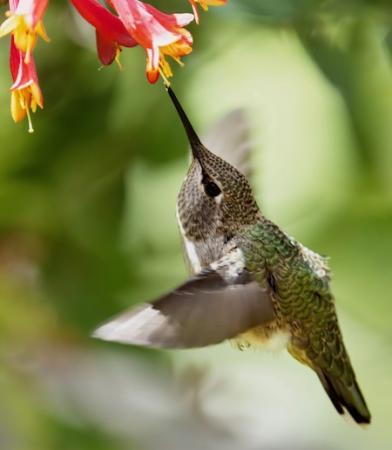
Did you know there are 600 native coastal bee species? These guys are essential for local ecosystems and agriculture. They depend on blooming native plants like Douglas Aster, Willamette Valley Gumweed, and Goldenrod. Did you know that one of the species—the bee most common, the Western Bumble Bee has drastically declined along the coast? Did you know the noise and smoke from fireworks confuses bees so they can’t find their way to their nest and die overnight?
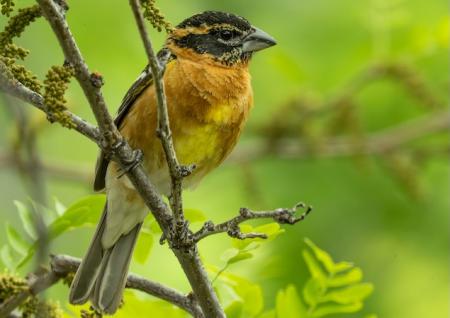
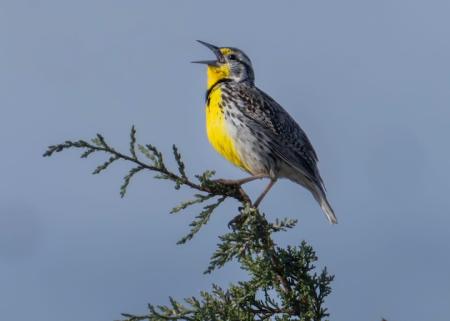
I’ve been feeding birds since we moved here. I’ve seen dozens of species of birds at the feeders and in the twin berry bushes, Manzanita bushes and native plants I’ve put in my yard. Some of the species are declining rapidly like the tri-colored blackbird who showed up this winter at my feeder or the Evening Grosbeaks that used to come hit the feeders in large groups. This year I only saw four. Some birds migrate through and others are here year round. When lots are cleared or a homeowner decides to take out native vegetation to put in gravel, habitat is lost and the creatures of the wild suffer. We may not recognize it, but we suffer too.
This time of year from April until August birds are fledging. The babies are growing quickly but this year some species are a little late to move out on their own. Nesting birds are frightened by explosions and bright flashes of light from fireworks. They try to fly away but because they can’t navigate in the dark they have fatal collisions with buildings, they abandon their nests and young who will be killed by predation, or they fly far out to sea become exhausted and die, or simply die of shock. Did you know birds have highly sensitive respiratory systems and can die just from the toxic smoke from fireworks?
Did you know the waste from fireworks when in water kills fish?
We all know folks with animal companions who must be tranquilized during the 4th of July in order to deal with the stress of fireworks. That stress extends to wild animals—the deer, the squirrels, the chipmunks, the bear, the elk, the bobcat. Nobody is dosing their water with Xanax.
Let’s rethink how we celebrate this holiday. Instead of blowing things up and burning things down, why not go to the parade, go to the pancake breakfast, gather with friends and family for food, go to a community fireworks display—and if you want a real lightshow? Meet me on the beach at sunset. I’ll bring the wine.
Kim Rosenberg
photos courtesy of Scott Redd www.instagram.com/redd5427/